Category: Thoughts

  • “I Can’t Do It”……YET!

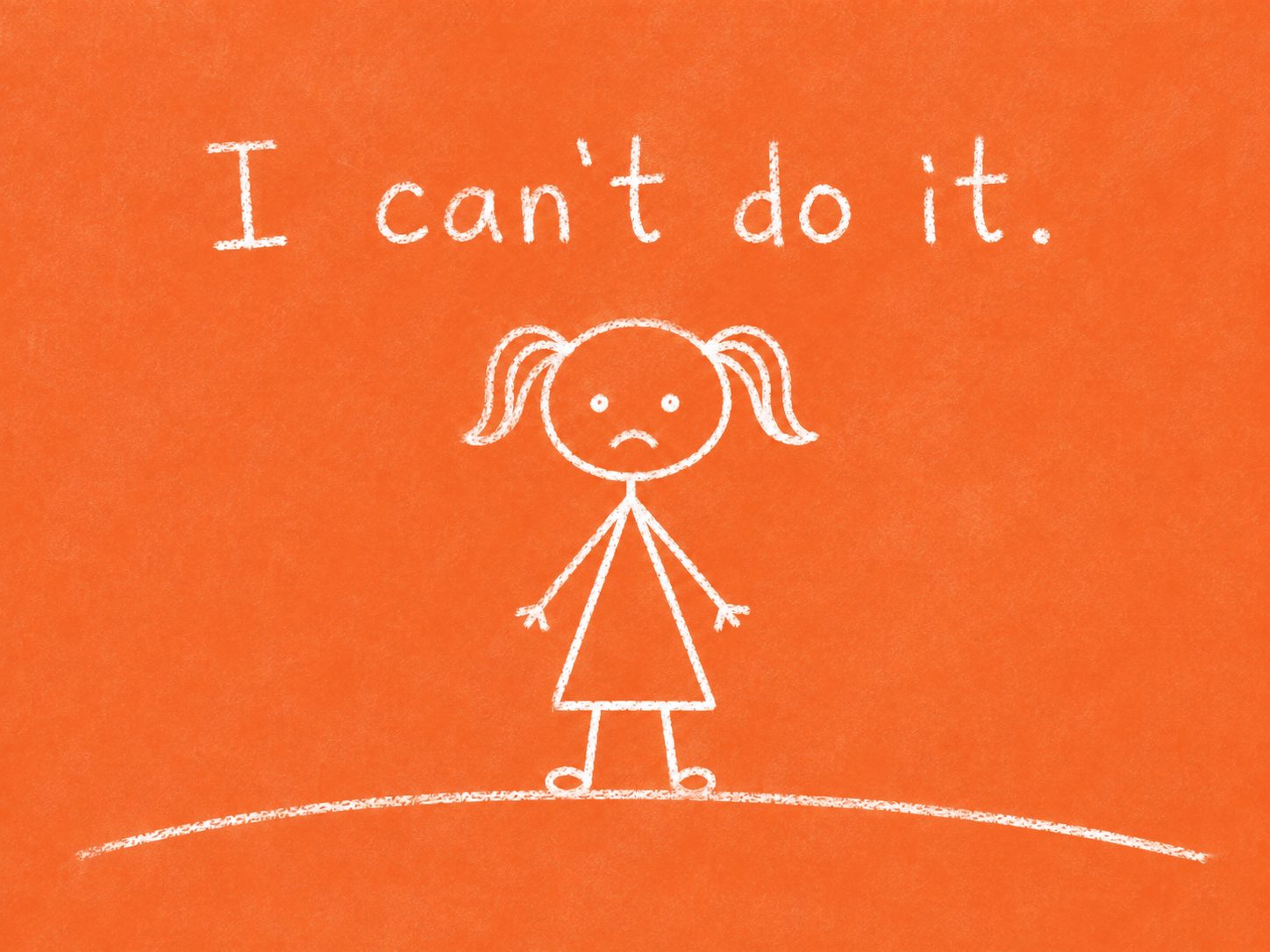
    “I Can’t Do It”……YET!

    2 mins read

    “I Can’t Do It”

    It’s a phrase I’ve heard many times in lessons.

    Sometimes it’s whispered.

    Sometimes it’s said with frustration.

    Sometimes it’s declared confidently after only a few attempts.

    “I can’t do it.”

    Whether it’s a difficult shift, a challenging rhythm, or a passage that simply refuses to cooperate, many students reach a moment when they feel stuck.

    And when that happens, it’s easy to believe that the problem is ability.

    But often, the problem is something else.

    Not Yet

    When students tell me they can’t do something, I often add this word for them:

    Yet.

    This one small word changes the meaning completely.

    “I can’t do it.”

    becomes

    “I can’t do it yet.”

    The first statement sounds final.

    The second leaves room for growth.

    As musicians, we sometimes forget that learning takes time. We see a polished performance and assume that confidence and skill appeared effortlessly.

    What we don’t see are the countless attempts, mistakes, adjustments, and discoveries that happened along the way.

    Learning Is Messy

    One of the most challenging parts of learning an instrument is that improvement rarely happens in a straight line.

    Some days everything feels easier.

    Other days even familiar passages seem difficult.

    This can be frustrating, especially for students who are used to succeeding quickly.

    But struggling with something doesn’t mean you’re failing.

    In many cases, it means you’re learning.

    The moments when we feel uncertain are often the moments when new skills are being developed.

    Small Steps Matter

    Sometimes students imagine that progress means mastering something immediately.

    More often, progress looks much smaller.

    Perhaps the shift works once.

    Perhaps the rhythm feels steadier.

    Perhaps the bow changes become a little more comfortable.

    These small moments are easy to overlook, but they matter.

    Learning is built from many small discoveries rather than one dramatic breakthrough.

    A Final Thought

    Music should be inspiring, expressive, and fun.

    That doesn’t mean it will always feel easy.

    Every musician encounters challenges.

    Every musician experiences frustration.

    And every musician has moments when they think:

    “I can’t do it.”

    When those moments arise, try adding one more word.

    “I can’t do it yet.”

    Sometimes that single word is enough to remind us that learning is still in progress.

    And that’s exactly where growth happens.


    These reflections are inspired by moments that happen every day in lessons—questions, frustrations, discoveries, and small breakthroughs. While they begin with cello playing, they are ultimately about something broader: how we learn, how we notice, and how small changes in awareness can lead to meaningful change. Written from the perspective of a cellist and teacher, I hope they encourage curiosity, reflection, and perhaps a different way of thinking about learning.
  • “I Don’t Know”

    “I Don’t Know”

    2 mins read

    “What did you notice?”

    One of the most common responses I hear in lessons is surprisingly simple.

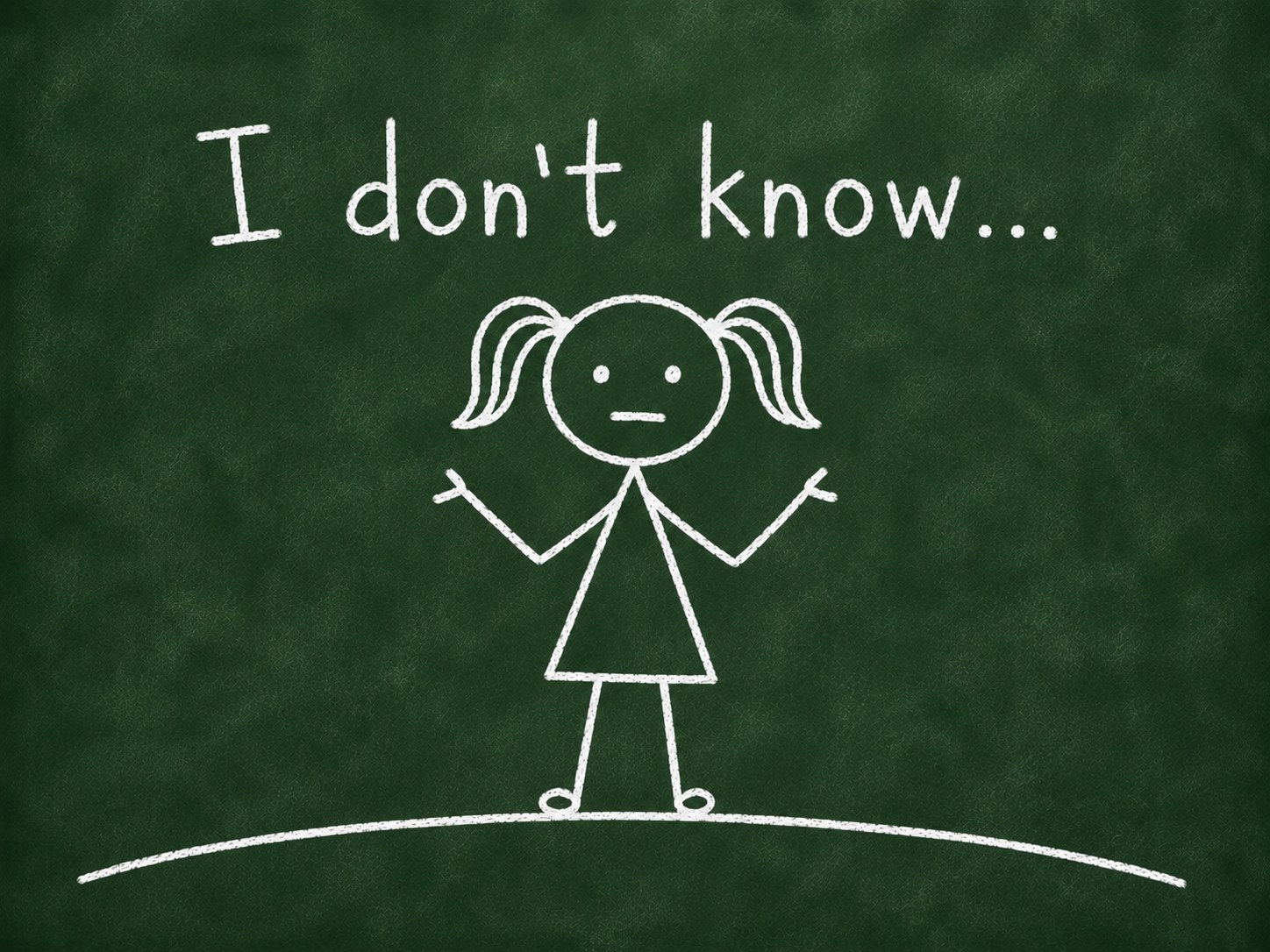
    “I don’t know.”

    “What do you think happened?”

    “I don’t know.”

    For many years, I assumed students would naturally know the answer to these questions.

    After all, they had just played the passage.

    But over time, I realized something important.

    Observing ourselves is a skill.

    More Than Right or Wrong

    Many students approach practice with a very simple goal:

    Did I play the right notes?

    If the answer is yes, they move on.

    If the answer is no, they try again.

    While this can be helpful, it often overlooks something much more interesting.

    How did it feel?

    What changed?

    What made one attempt easier than another?

    Why did one shift work while the next one didn’t?

    These questions encourage students to become active participants in their own learning.

    Learning to Observe

    At first, many students genuinely don’t know what happened.

    They’re focused on the outcome rather than the process.

    And that’s completely okay.

    In fact, I often tell students that “I don’t know” is not the end of the conversation—it’s the beginning.

    With younger students especially, I don’t expect them to have all the answers. Part of my role as a teacher is to guide their attention toward things they may not yet notice on their own.

    Sometimes I ask additional questions.

    Sometimes I offer observations.

    Sometimes we explore the answer together.

    Learning to observe ourselves is a skill, just like learning scales, shifting, or bow control. It takes time, patience, and practice.

    Over time, students begin to notice more for themselves.

    “The note squeaked because I squeezed the bow too harshly.”

    “My shoulders became high/tight.”

    “The sound is shallow because I didn’t put enough weight on the bow.”

    “I didn’t know if my intonation is correct because I wasn’t really listening.”

    These observations may seem small, but they often lead to meaningful breakthroughs.

    Building Independent Musicians

    As teachers, it can be tempting to provide all the answers.

    And sometimes that is exactly what students need.

    But one of the most rewarding moments in teaching is when a student begins to discover answers for themselves.

    Not because they were told what was wrong.

    But because they learned how to observe.

    The goal is not for students to become dependent on a teacher for every solution. Rather, it is to develop the ability to reflect, evaluate, and make thoughtful adjustments on their own.

    These skills extend far beyond the practice room. They help students become more confident, independent learners in music and in life.

    A Final Thought

    The next time you find yourself saying,

    “I don’t know,”

    consider adding one more sentence:

    “…but let me look/play again and observe.”

    Sometimes the most important discoveries begin there.

    Before we can improve something, we first have to notice it.


    These reflections are inspired by moments that happen every day in lessons—questions, frustrations, discoveries, and small breakthroughs. While they begin with cello playing, they are ultimately about something broader: how we learn, how we notice, and how small changes in awareness can lead to meaningful change. Written from the perspective of a cellist and teacher, I hope they encourage curiosity, reflection, and perhaps a different way of thinking about learning.

  • Why Practicing Harder Isn’t Always the Answer

    Why Practicing Harder Isn’t Always the Answer

    2 minutes read

    Why Practicing Harder Isn’t Always the Answer

    Have you ever practiced a passage twenty times and somehow felt like it got worse?

    Or spent an hour working on a shift that still doesn’t feel reliable?

    Maybe you’ve caught yourself thinking:

    “I just need to practice more.”

    As musicians, we’ve all been there.

    For many years, whenever I encountered a challenge, that was my solution—more repetitions, more determination, more hours in the practice room.

    Sometimes it worked.

    But sometimes it didn’t.

    And that made me wonder: if hard work is the answer, why do some problems seem to stay with us no matter how much we practice?

    The Trap of Repetition

    As musicians, we’re often taught that improvement comes from repetition.

    And repetition is important.

    But repetition alone doesn’t guarantee improvement.

    Think about it this way. If I accidentally take a wrong turn while driving and repeat the same route every day, I’m not getting closer to my destination. I’m simply becoming very familiar with the wrong road.

    Practice can be similar.

    If we repeat an inefficient movement over and over, we may simply become better at repeating that inefficient movement.

    In other words, practice doesn’t make perfect.

    Practice makes permanent.

    The problem isn’t always a lack of effort.

    Sometimes it’s a lack of awareness.

    A Different Question

    One of the most valuable lessons I have learned as a musician and teacher is that before we can change something, we first need to notice it.

    When we’re focused on playing the correct notes, we often overlook everything else happening in the process.

    The next time you’re working on a difficult passage, try pausing before repeating it.

    Ask yourself:

    “What happened?”

    You might be surprised by what you discover.

    A Final Thought

    Music should be inspiring, expressive, and fun.

    Hard work will always be part of learning, but growth doesn’t come from effort alone.

    Sometimes the most meaningful progress begins not by practicing more, but by noticing more.

    So the next time you feel stuck, instead of asking:

    “How can I practice more?”

    Try asking:

    “What haven’t I noticed yet?”


    These reflections are inspired by moments that happen every day in lessons—questions, frustrations, discoveries, and small breakthroughs. While they begin with cello playing, they are ultimately about something broader: how we learn, how we notice, and how small changes in awareness can lead to meaningful change. Written from the perspective of a cellist and teacher, I hope they encourage curiosity, reflection, and perhaps a different way of thinking about learning.