Lesson Series 2
2-minute read
“What did you notice?”
One of the most common responses I hear in lessons is surprisingly simple.
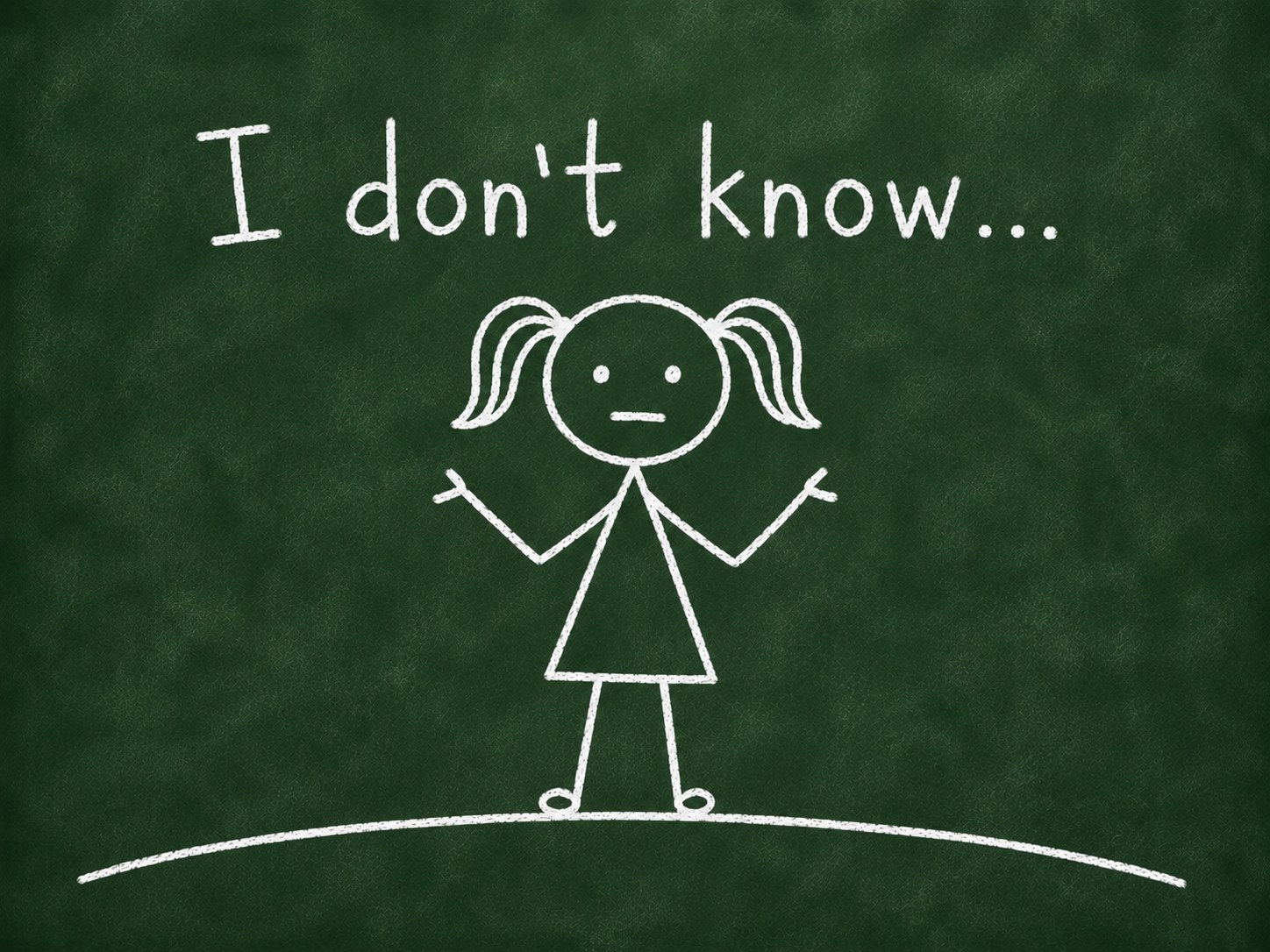
“I don’t know.”
“What do you think happened?”
“I don’t know.”
For many years, I assumed students would naturally know the answer to these questions.
After all, they had just played the passage.
But over time, I realized something important.
Observing ourselves is a skill.
More Than Right or Wrong
Many students approach practice with a very simple goal:
Did I play the right notes?
If the answer is yes, they move on.
If the answer is no, they try again.
While this can be helpful, it often overlooks something much more interesting.
How did it feel?
What changed?
What made one attempt easier than another?
Why did one shift work while the next one didn’t?
These questions encourage students to become active participants in their own learning.
Learning to Observe
At first, many students genuinely don’t know what happened.
They’re focused on the outcome rather than the process.
And that’s completely okay.
In fact, I often tell students that “I don’t know” is not the end of the conversation—it’s the beginning.
With younger students especially, I don’t expect them to have all the answers. Part of my role as a teacher is to guide their attention toward things they may not yet notice on their own.
Sometimes I ask additional questions.
Sometimes I offer observations.
Sometimes we explore the answer together.
Learning to observe ourselves is a skill, just like learning scales, shifting, or bow control. It takes time, patience, and practice.
Over time, students begin to notice more for themselves.
“The note squeaked because I squeezed the bow too harshly.”
“My shoulders raised and became tight.”
“The sound is shallow because I didn’t put enough weight on the bow.”
“I wasn’t sure whether my intonation was correct because I wasn’t really listening.”
These observations may seem small, but they often lead to meaningful breakthroughs.
Building Independent Musicians
As teachers, it can be tempting to provide all the answers.
And sometimes that is exactly what students need.
But one of the most rewarding moments in teaching is when a student begins to discover answers for themselves.
Not because they were told what was wrong.
But because they learned how to observe.
The goal is not for students to become dependent on a teacher for every solution. Rather, it is to develop the ability to reflect, evaluate, and make thoughtful adjustments on their own.
These skills extend far beyond the practice room. They help students become more confident, independent learners in music and in life.
A Final Thought
The next time you find yourself saying,
“I don’t know,”
consider adding one more sentence:
“…but let me try again and pay closer attention.”
Sometimes the most important discoveries begin there.
Before we can improve something, we first have to notice it.
These reflections are inspired by moments that happen every day in lessons—questions, frustrations, discoveries, and small breakthroughs. While they begin with cello playing, they are ultimately about something broader: how we learn, how we notice, and how small changes in awareness can lead to meaningful change. Written from the perspective of a cellist and teacher, I hope they encourage curiosity, reflection, and perhaps a different way of thinking about learning.
Leave a Reply